Neuroscience researcher and biomedical engineer.

I develop computational methods for neural data, combining intracranial electrophysiology, signal processing, biophysical modelling, and deep learning. My PhD focuses on nociception-related cortical activity under general anaesthesia, with particular attention to traceable workflows, interpretable models, and rigorous evaluation.

PhD Fellow at the Center for Neuroplasticity and Pain, Aalborg University

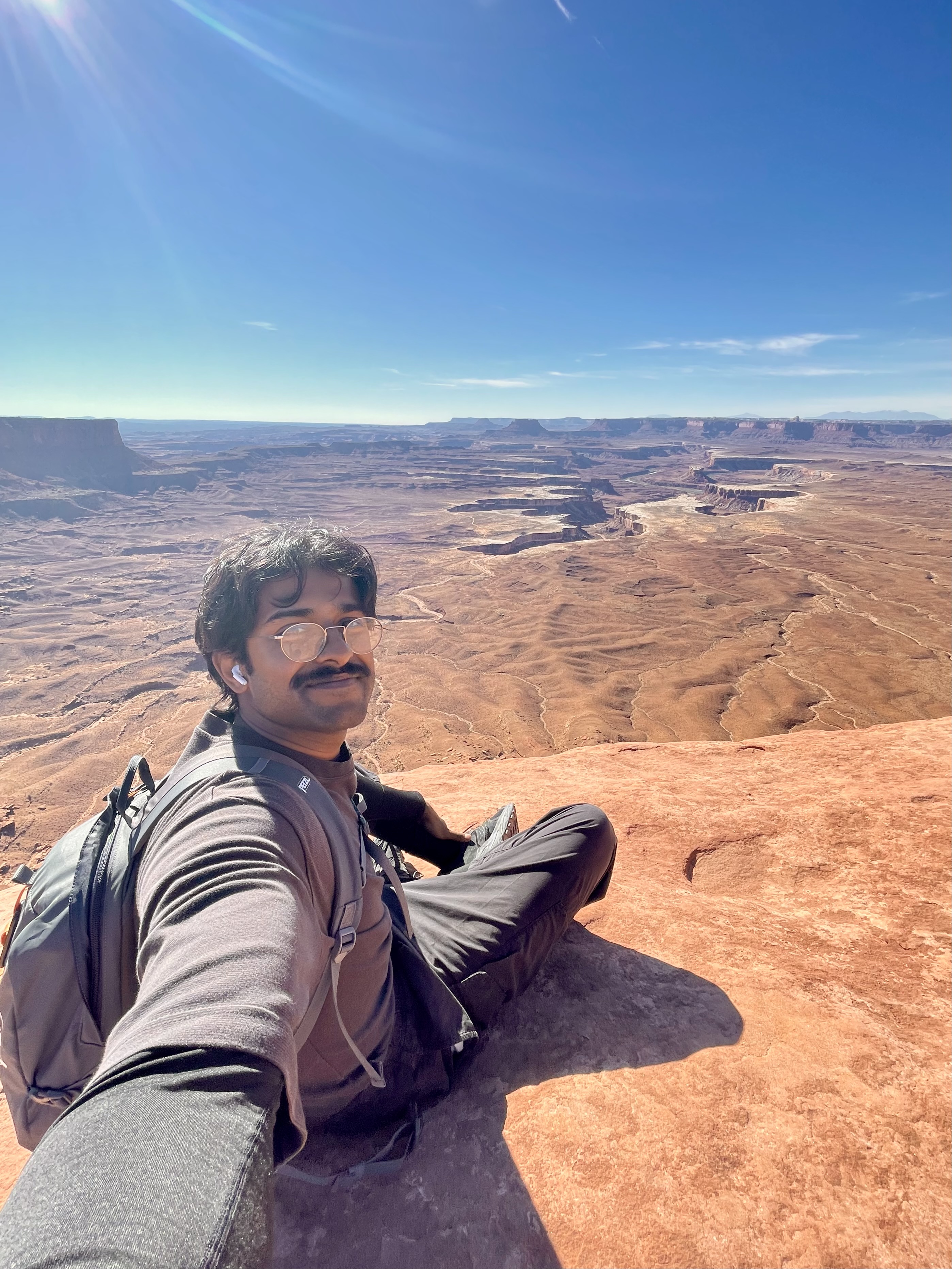
Nickolaj Ajay Atchuthan overlooking the sandstone landscape in Canyonlands National Park
Canyonlands, Utah

Selected work

Research programme
Oct 2023–Oct 2026

Understanding nociception across brain networks

For my PhD, I design and implement the technical workflow for studying neural responses across S1, PFC, and ACC-targeted recordings. The work spans data organisation and quality control, multiregion physiology, time–frequency analysis, explainable CNNs, and animal-level transformer benchmarking.

I work across the experiment, data pipeline, physiological analysis, and model evaluation while retaining provenance at each stage. Because the recordings are made under general anaesthesia, I keep the interpretation to stimulation-related and nociception-related activity—not conscious pain or a clinically validated biomarker.
  • Intracranial electrophysiology
  • Time–frequency analysis
  • Interpretable machine learning
  • Animal-level evaluation

Visiting research
Duke University, 2024

Spinal cord stimulation modelling

During a visiting period at Duke's Grill Lab, I turned a neuromodulation question into a Python simulation study. Using PyFibers and an adapted McIntyre–Richardson–Grill axon model, I implemented bipolar stimulation, compared conventional, FAST, and burst waveforms across fibre diameters and charge-balancing strategies, and built threshold and fidelity sweeps that led to an IEEE EMBC paper.

The analysis separated waveform-timing effects from pulse-width effects: burst stimulation had lower thresholds under the tested settings but less consistent pulse following. The single-fibre model tests candidate mechanisms rather than making a direct clinical prediction.

  • Biophysical modelling
  • PyFibers
  • Axon models
  • Parameter sweeps

Research infrastructure
Custom PhD tooling

TDT-to-BIDS electrophysiology pipeline

I designed and built the data layer behind the PhD analyses. It converts raw recordings from a Tucker-Davis Technologies RZ2, RS4 storage, and Synapse into structured BIDS-FIF data, resolves simultaneous S1/PFC and ACC streams, reconstructs stimulation events, and produces analysis-ready epochs.

Rather than hiding manual decisions, the workflow records acquisition pairing, source and configuration fingerprints, channel and epoch quality control, and review status. This makes downstream analyses easier to trace and rerun across animals and recording sessions.

  • TDT RZ2 / RS4 / Synapse
  • MNE-Python
  • MNE-BIDS
  • Quality-control review

Computer vision tool
Personal project

Trading-card identification and valuation

As a personal project, I built a mobile-first retrieval tool for identifying Japanese trading cards from shop photos. It combines DINOv3 embeddings, CUDA-accelerated cosine search, PaddleOCR, market data, and a Next.js interface. I chose retrieval so new cards can be added by rebuilding the local index rather than retraining a classifier.

  • DINOv3 ViT-B/16
  • PyTorch / CUDA
  • PaddleOCR
  • Next.js / TypeScript

Outside the lab

Outside research, I spend time climbing, hiking, and photographing the landscapes I move through.

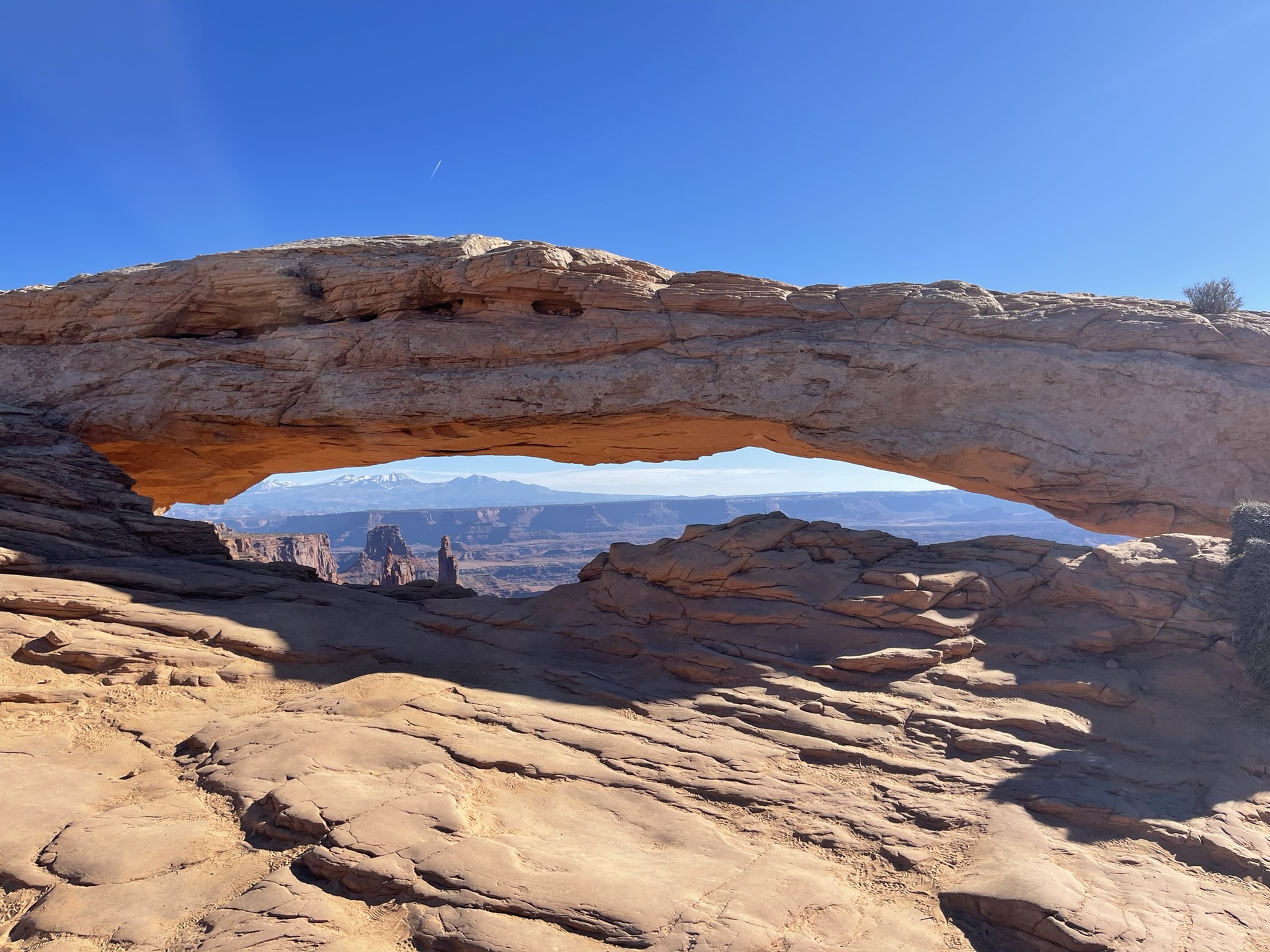
A sandstone arch framing distant mesas beneath a clear sky
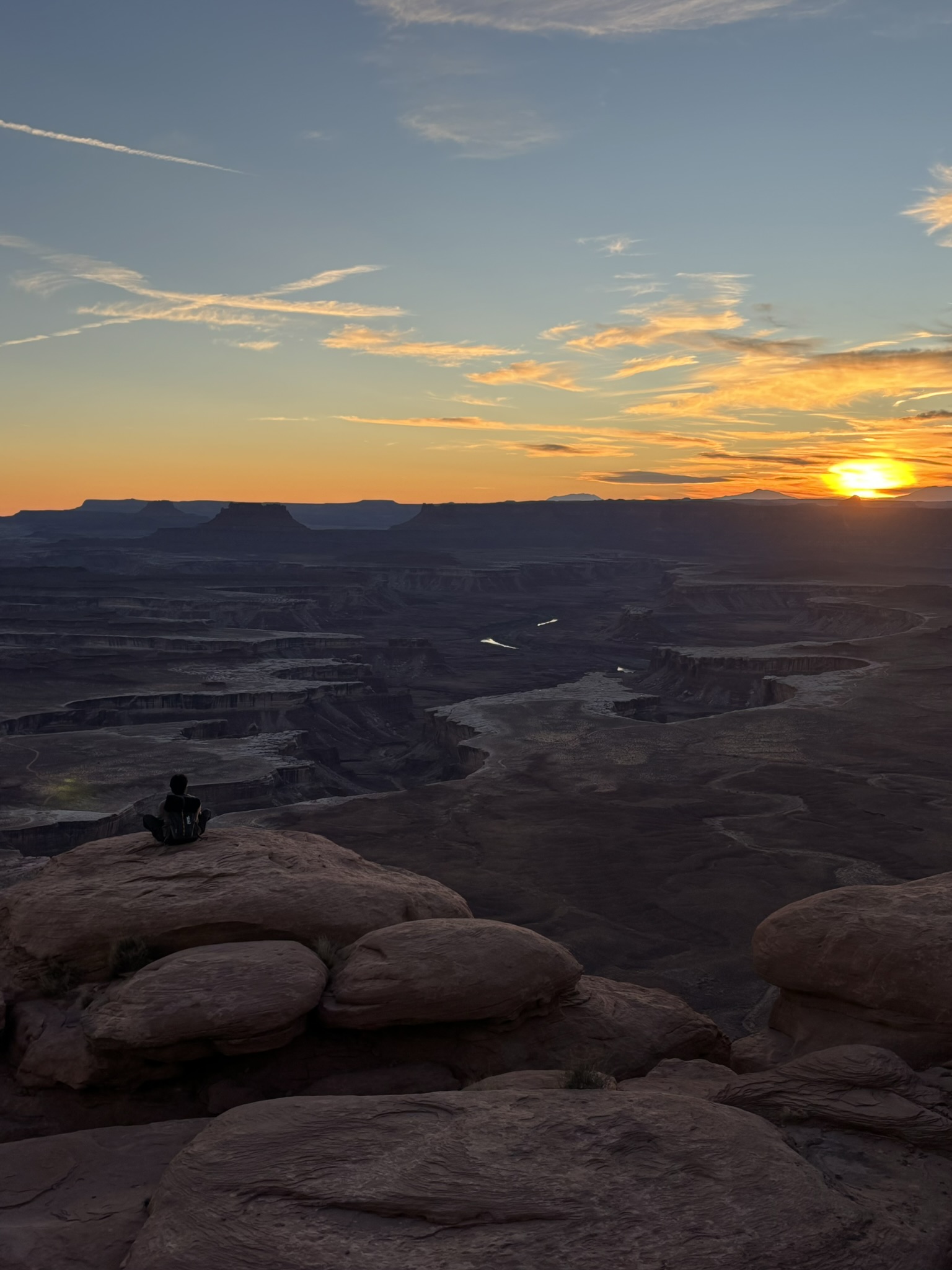
A lone hiker overlooking a canyon landscape at sunset
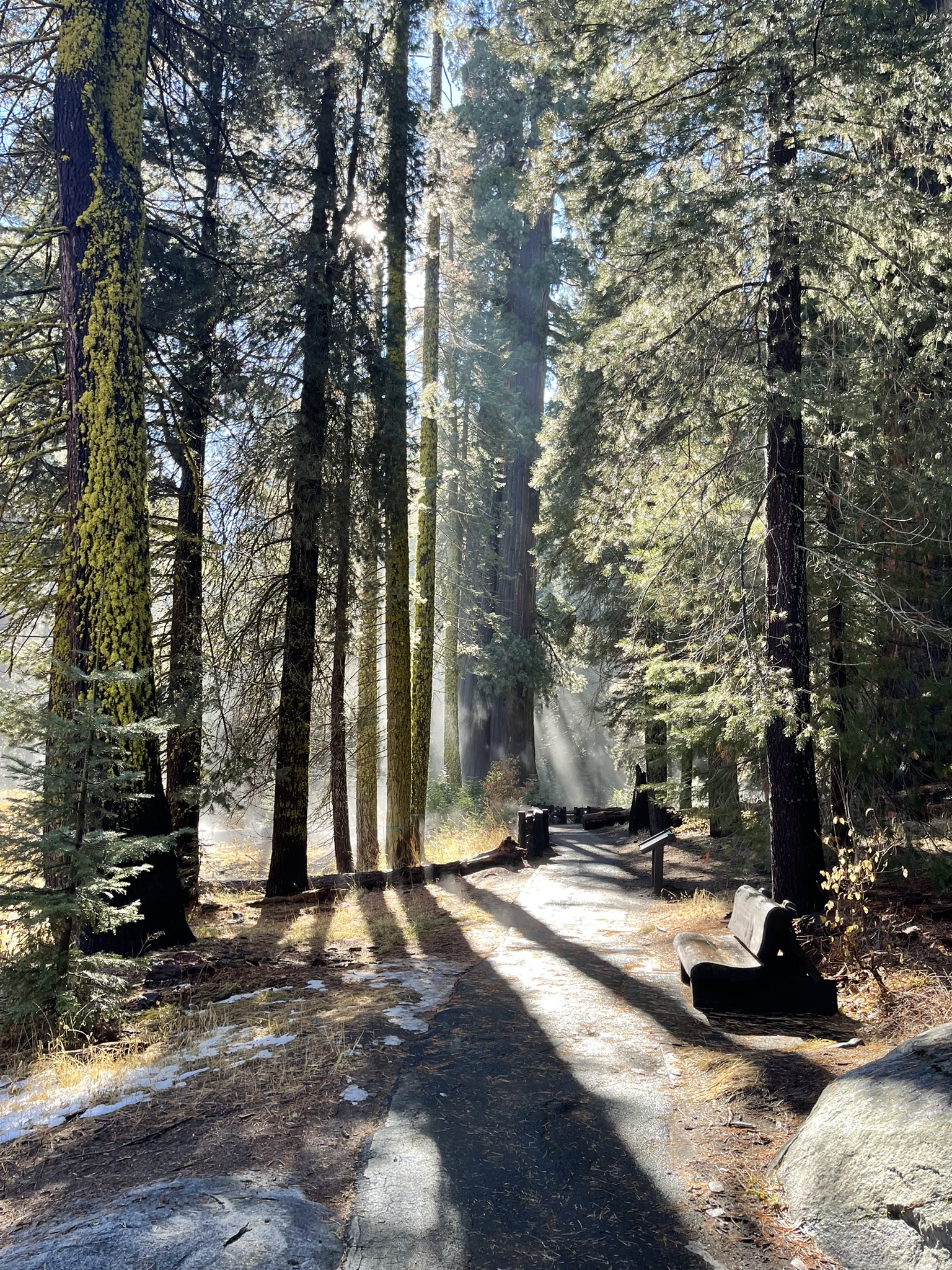
Sunlight filtering between tall trees onto a forest path

Experience

Apr 2024–present

PhD Fellow, Center for Neuroplasticity and Pain

Aalborg University

Designing the technical workflow for multiregion intracranial recordings, from acquisition-aware data organisation and quality control to physiological analysis, interpretable deep learning, and animal-level model evaluation.

Oct 2023–Apr 2024

Research Assistant, Center for Neuroplasticity and Pain

Aalborg University

Developed explainable CNN analyses for intracranial recordings and evaluated RANSAC-based channel-quality methods across epidural and intracortical signals. This work became a methodological starting point for the PhD.

Sep–Dec 2024

Visiting Scholar

Grill Lab, Duke University

Designed and executed a PyFibers simulation study of neural-fibre responses to spinal cord stimulation waveforms, from model implementation and parameter sweeps to an IEEE EMBC 2025 paper.

Jan–Jun 2023

Teacher in Business Informatics

TECHCOLLEGE

Designed and delivered practical lessons in informatics, technology, and applied problem solving for vocational students.

Education

2021–2023

MSc in Biomedical Engineering and Informatics

Aalborg University

The degree combined neural engineering, signal processing, and machine learning through four semester-long research projects, each awarded the highest Danish grade (12).

  • Built and interpreted a CNN–LSTM pipeline for S1 µECoG recordings from preclinical chronic-pain models, including high-frequency stimulation, spared nerve injury, and attribution analysis.
  • Modelled resting-state EEG and functional connectivity across pain-sensitivity groups in collaboration with REDO Neuro Systems.
  • Developed a CNN analysis of noxious and non-noxious µECoG responses, presented and published at IEEE NER 2023.
  • Analysed spatiotemporal changes in intracortical microelectrode-array recordings for a second IEEE NER 2023 publication.

2018–2021

BSc in Biomedical Engineering

Aalborg University

Co-developed a modality-matched thermotactile feedback prototype intended to restore temperature sensation for prosthetic users. The project was a finalist in the 2021 Health HUB AAU Innovation Award.

Publications

  1. 2025

    Exploring Tonic and Burst Stimulation in Neural Fibers: A Computational Modeling Approach

    Nickolaj Ajay Atchuthan, Warren M. Grill, and Suzan Meijs · IEEE EMBC 2025

  2. 2025

    Strengths & Weaknesses of RANSAC applied to Epidural & Intracortical Recordings

    Nickolaj Ajay Atchuthan, Felipe Rettore Andreis, Winnie Jensen, and Suzan Meijs · IEEE EMBC 2025

  3. 2025

    A convolutional neural network to distinguish between brain responses to non-noxious and noxious input of the same modality: what does the machine see that we do not see?

    Nickolaj Ajay Atchuthan, Mikkel Bjerre Danyar, Hjalte Færregård Clark, Felipe Rettore Andreis, Winnie Jensen, and Suzan Meijs · Research Square v1 preprint

  4. 2023

    Classification of noxious and non-noxious event-related potentials from S1 in pigs using a convolutional neural network

    Nickolaj Ajay Atchuthan, Hjalte Clark, Mikkel Bjerre Danyar, Amalie Koch Andersen, Felipe Rettore Andreis, and Suzan Meijs · IEEE NER 2023

  5. 2023

    Spatio-Temporal Analysis of LTP-like Neuroplasticity in Pigs

    Mikkel Bjerre Danyar, Hjalte Færregård Clark, Nickolaj Ajay Atchuthan, Louise K. Daugbjerg, Amalie Koch Andersen, Taseer A. M. Janjua, and Winnie Jensen · IEEE NER 2023

Profile

I work at the intersection of neuroscience, biomedical engineering, and machine learning. My strength is turning difficult neural-data problems into technical workflows that remain connected to the experiment, the acquisition hardware, and the limits of the evidence.

I am comfortable moving between hands-on experimental work and implementation: intracranial electrophysiology, signal processing, statistical analysis, biophysical modelling, PyTorch, MNE-Python, MNE-BIDS, and research software in Python. I also build smaller computer-vision and web tools outside research. That combination is a strong fit for computational neuroscience, neurotechnology, scientific machine-learning, and applied-research roles where technical depth and careful interpretation matter.